
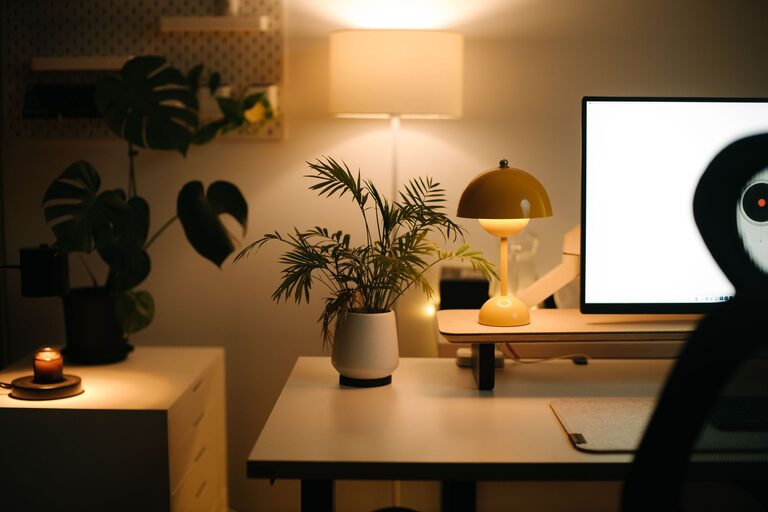
Creating a home office that helps you stay focused and comfortable is essential in today’s world, where many people work remotely or spend significant time at home. A well-designed workspace can improve your productivity, reduce stress, and make your workday more enjoyable. Here are some practical tips to help you set up a home office that supports both focus and comfort.
Choose the Right Location
Prioritize Natural Light
Natural light has been shown to boost mood and energy, which can improve focus. Try to position your desk near a window, but avoid glare on your computer screen. If natural light isn’t an option, choose bright, adjustable artificial lighting that mimics daylight.
Pick a Quiet, Low-Traffic Area
Select a spot in your home where you can work without frequent interruptions. This helps reduce distractions and allows you to concentrate better. If space is limited, consider using noise-cancelling headphones or a white noise machine.
Invest in Ergonomic Furniture
Choose a Comfortable Chair
An ergonomic chair that supports your back can prevent discomfort during long work hours. Look for adjustable height and lumbar support to customize the seat to your needs.
Use a Proper Desk
Your desk should provide enough space for your computer, paperwork, and other essentials. Consider an adjustable standing desk if you want to alternate between sitting and standing to improve circulation and reduce fatigue.
Position Your Monitor Correctly
Place your computer monitor at eye level, about an arm’s length away, to avoid neck strain and eye fatigue.
Organize Your Workspace for Efficiency
Declutter Regularly
Keep only the items you need daily on your desk. Store other supplies in drawers or organizers. A tidy space reduces visual distractions and helps your mind focus.
Use Storage Solutions
Invest in shelves, filing cabinets, or bins to store documents and office supplies neatly. Label containers for easy access and to keep everything organized.
Manage Cables
Use cable clips or sleeves to keep wires and cords neat and out of the way. This prevents tangling and creates a cleaner workspace.
Create a Personalized Yet Professional Environment
Add Comfortable Accessories
Include items like a soft area rug, a cushion, or a footrest to increase comfort.
Use Calming Colors
Choose paint or decor colors that promote focus and calmness, such as soft blues, greens, or neutrals.
Incorporate Plants
Plants can improve air quality and add a touch of nature, which may reduce stress and increase productivity.
Establish Good Lighting and Air Quality
Use Layered Lighting
Combine ambient light with task lighting, such as desk lamps, to illuminate your work area without causing glare.
Ensure Proper Ventilation
Good air circulation is essential for staying alert. Open windows when possible or use a fan or air purifier.
Set Up Technology Thoughtfully
Reliable Internet Connection
A stable internet connection is crucial for uninterrupted work. Consider positioning your router close to your workspace or using a wired connection.
Essential Equipment
Invest in quality headphones, a webcam, or an external keyboard and mouse, depending on your work needs.
Keep Software Organized
Use digital organizers, calendars, and productivity apps to manage tasks and deadlines effectively.
Create Boundaries and Routines
Define Your Work Hours
Set consistent start and end times to separate work from personal time. This helps maintain work-life balance.
Use Visual Cues
Close a door or use a room divider to signal when you are working and minimize interruptions.
Take Breaks
Schedule regular breaks to stretch and rest your eyes. This improves focus and prevents burnout.
Personalize Thoughtfully
While it’s important to keep your workspace professional, adding personal touches can boost enjoyment. Photos, artwork, or inspirational quotes can make your home office feel inviting without creating distractions.
Final Thoughts
Designing a home office that enhances your focus and comfort is about balancing functionality with personal preferences. With the right location, ergonomic furniture, thoughtful organization, and good lighting, you can create a workspace that helps you do your best work every day. Remember to tailor your space to what makes you feel productive and comfortable, and don’t hesitate to adjust your setup as your needs evolve.